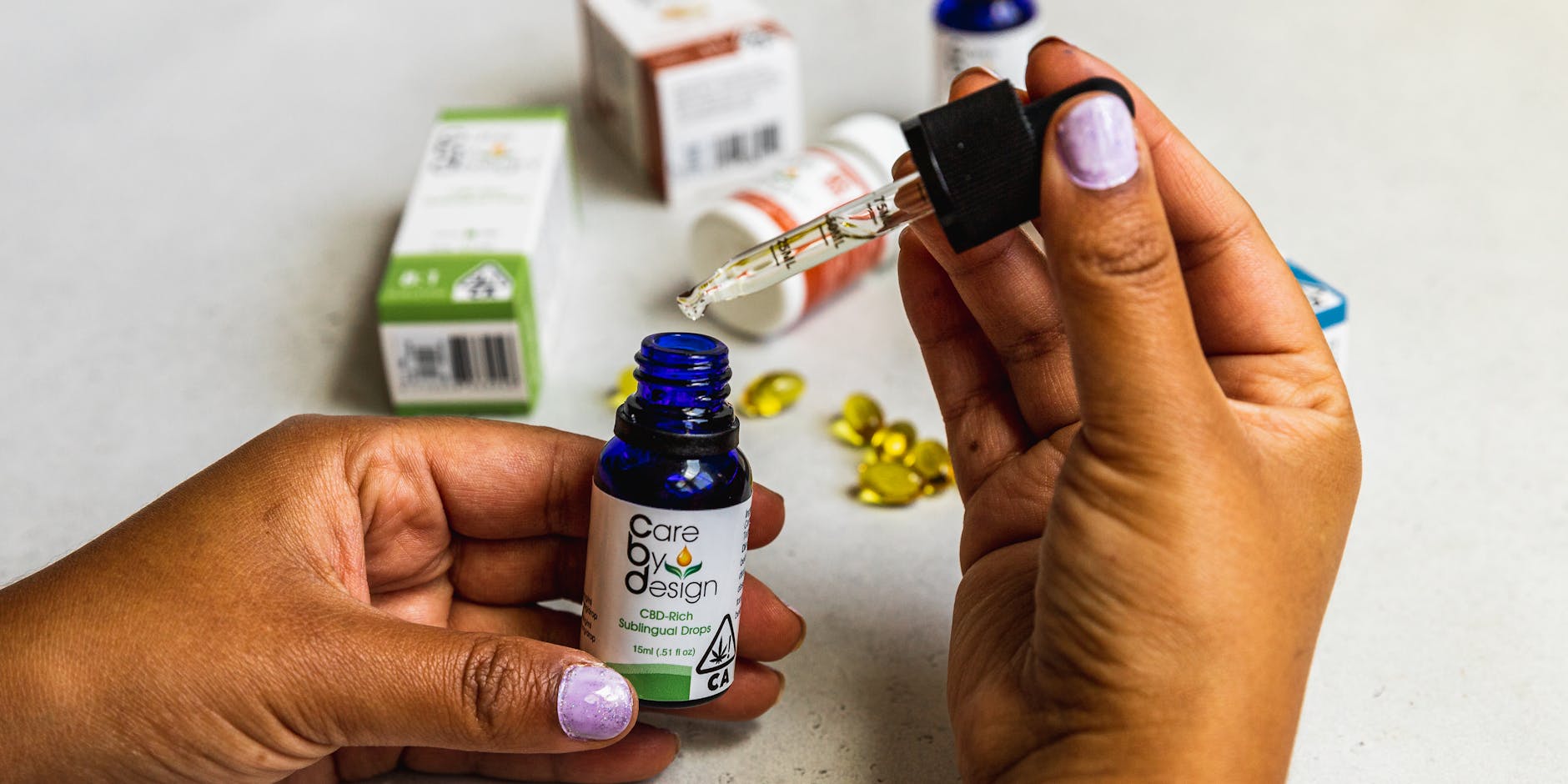
What is CBD Oil California: Your Essential Guide
June 16, 2026 15 min read 2,988 words
Unlock the secrets of CBD oil in the Golden State, from its therapeutic potential to navigating the local market with confidence.
Explore CBD Now
Understanding CBD: What it is and How it Differs in California
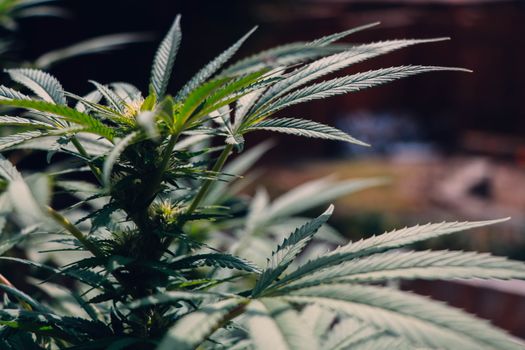 Photo: Elsa Olofsson / Pexels
Cannabidiol, or CBD, has surged in popularity, becoming a household name for those seeking natural wellness solutions. But what exactly is CBD oil, and what makes its presence in California unique? At its core, CBD is one of over 100 cannabinoids found in the cannabis plant. Unlike its more famous cousin, tetrahydrocannabinol (THC), CBD is non-intoxicating, meaning it will not produce the 'high' associated with marijuana use. This crucial distinction is at the heart of its widespread acceptance and legal status across much of the United States, including the Golden State.
In California, the landscape for CBD is particularly rich and nuanced, largely due to the state's pioneering role in cannabis legalization. While the 2018 Farm Bill federally legalized hemp-derived CBD (containing less than 0.3% THC), California already had a mature medical and recreational cannabis market. This means consumers in California have access to both hemp-derived CBD products and, within licensed dispensaries, CBD products derived from cannabis plants with higher THC levels, though these are typically labeled differently and subject to different regulations. The key takeaway for consumers is that if you're purchasing CBD outside of a licensed cannabis dispensary, you are almost certainly buying hemp-derived CBD that adheres to the federal 0.3% THC limit.
The effectiveness of CBD is believed to stem from its interaction with the body's endocannabinoid system (ECS). The ECS is a complex cell-signaling system identified in the early 1990s by researchers exploring THC. It plays a crucial role in regulating a wide range of functions and processes, including sleep, mood, appetite, memory, reproduction, and fertility. The ECS has three main components: endocannabinoids, receptors, and enzymes. Endocannabinoids are cannabis-like molecules that your body naturally produces. Receptors are found throughout your body and are the points where endocannabinoids bind to signal the ECS to act. Enzymes break down endocannabinoids once they've carried out their function. CBD doesn't directly bind to these receptors in the same way THC does; instead, it's thought to influence the ECS indirectly, possibly by enhancing the body's natural endocannabinoids or by interacting with other non-cannabinoid receptors. This indirect action is why CBD offers therapeutic potential without the psychoactive effects.
California's progressive stance on cannabis has fostered a vibrant and competitive CBD market. This environment encourages innovation in product development, from various consumption methods like tinctures, edibles, topicals, and vapes, to specialized formulations targeting specific needs. However, this also places a greater responsibility on the consumer to understand what they are buying. The quality and purity of CBD products can vary significantly. Therefore, knowing how to identify reputable brands and verify product claims is paramount, especially when navigating the diverse offerings available in California. The state's Department of Cannabis Control (DCC) and Department of Public Health (CDPH) play roles in overseeing aspects of the cannabis and hemp-derived product markets, aiming to ensure consumer safety and product integrity.
Understanding these regulatory bodies is a good first step for any consumer in California. This foundational knowledge sets the stage for a deeper dive into the legalities, benefits, and purchasing considerations for CBD oil in the Golden State.
Navigating the Legal Landscape of CBD Oil in California
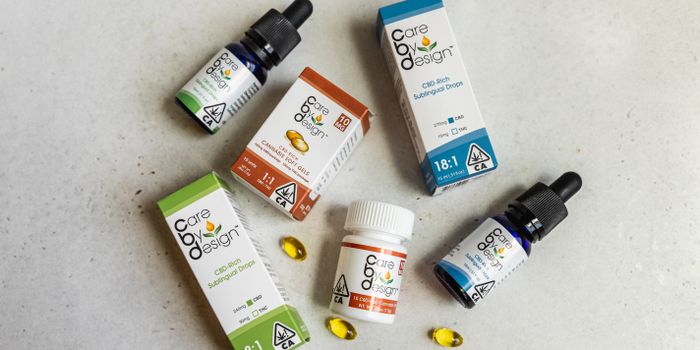 Photo: Elsa Olofsson / Pexels
The legal status of CBD oil in California is a common point of confusion for many consumers, intertwining federal law with California's distinct cannabis regulations. To clarify, let's break down the key aspects. Federally, the Agricultural Improvement Act of 2018 (the Farm Bill) legalized hemp by removing it from the definition of marijuana under the Controlled Substances Act. This pivotal legislation stipulated that hemp, defined as cannabis sativa plants containing less than 0.3% delta-9 THC on a dry weight basis, is an agricultural commodity. Consequently, hemp-derived CBD products meeting this THC threshold are legal to produce, sell, and possess across the United States, including California. This federal framework provides the baseline for the vast majority of CBD products you'll find in health food stores, online retailers, and even some supermarkets.
However, California, with its long history of cannabis reform, adds several layers to this. The state's Proposition 64, passed in 2016, legalized recreational marijuana for adults 21 and over. This created a regulated market for cannabis products, including those derived from marijuana plants that naturally contain higher levels of THC. Within California's licensed cannabis dispensaries, you can find CBD products that might be derived from marijuana (and thus contain more than 0.3% THC), or pure hemp-derived CBD products sold alongside high-THC items. The critical distinction for consumers is the source and the THC content. If you're buying CBD from a non-dispensary retailer, it must be hemp-derived and meet the federal 0.3% THC limit. If you're purchasing from a licensed dispensary, you might encounter CBD products with varying THC levels, and these are subject to California's extensive cannabis regulations regarding testing, labeling, and sale.
California's Department of Public Health (CDPH) has also issued guidance on hemp-derived CBD in food, beverages, and cosmetics. Initially, there was some ambiguity, but recent legislation and guidance have clarified that hemp-derived CBD can indeed be incorporated into these products, provided they meet specific manufacturing, labeling, and testing requirements. This means consumers in California have access to a broader range of CBD-infused items than in some other states, from CBD sparkling water to lotions and balms. This progressive stance reflects California's commitment to a regulated and accessible cannabis and hemp market, aiming to protect consumers while fostering innovation.
For consumers, understanding these legal nuances is crucial for making informed purchasing decisions. Always look for clear labeling that indicates whether a product is hemp-derived and its THC content. Reputable brands will provide Certificates of Analysis (COAs) from third-party labs, confirming the cannabinoid profile and the absence of contaminants. While federal law permits interstate commerce of hemp-derived CBD, California's regulations ensure a higher standard for products sold within its borders, particularly within the licensed cannabis sector. This dual-market approach – a federally legal hemp CBD market and a state-regulated cannabis market – makes California a unique and often exemplary model for other states, offering consumers a wide array of options while striving for safety and transparency.
The Potential Benefits and Uses of CBD Oil in California
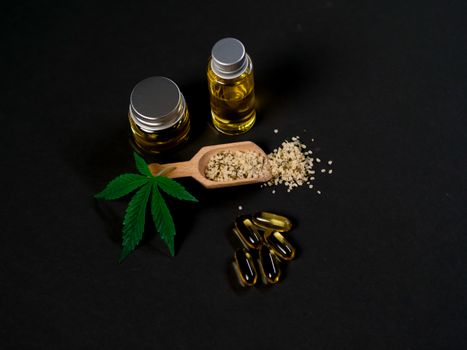 Photo: Kindel Media / Pexels
The burgeoning interest in what is CBD oil California stems largely from its purported therapeutic potential, which research and anecdotal evidence continue to explore. While the scientific community is still conducting extensive studies to fully understand CBD's mechanisms and efficacy, many individuals in California and beyond are incorporating CBD oil into their wellness routines for a variety of reasons. It's important to note that CBD is not a cure-all, and individual experiences can vary significantly. However, preliminary research and user testimonials point to several key areas where CBD may offer benefits.
One of the most frequently cited uses for CBD is for managing discomfort and promoting a sense of calm. Many users report that CBD helps them to relax and may reduce feelings of tension. This calming effect is often attributed to CBD's interaction with the body's serotonin receptors, which play a key role in mood regulation. For those living in the fast-paced environment of California, finding natural ways to unwind can be incredibly valuable. Furthermore, CBD is often explored for its potential in supporting healthy sleep cycles. Individuals struggling with occasional sleeplessness might find that CBD helps them achieve a more restful night, contributing to overall well-being. This is particularly relevant given the emphasis on health and holistic living prevalent in California culture.
Another significant area of interest is CBD's potential anti-inflammatory properties. Inflammation is a natural bodily response, but chronic inflammation can contribute to various health issues. Early studies suggest that CBD may help modulate inflammatory responses, making it an attractive option for individuals seeking to support joint health and overall physical comfort. This has led to the development of numerous CBD-infused topical products, such as balms and lotions, which are popular in California for targeted application to specific areas of the body. Athletes and those with active lifestyles, common in California, often turn to CBD topicals for post-exertion recovery.
Beyond these common applications, CBD is also being investigated for its neuroprotective potential and its role in supporting cognitive function. While still in early stages of research, these areas hold promise for future therapeutic developments. The diverse applications of CBD mean that products come in many forms: tinctures for sublingual absorption, edibles for a discreet and pre-measured dose, capsules for convenience, and vapes for rapid effects. The availability of such a wide array of products in California allows consumers to choose the method of consumption that best suits their lifestyle and desired effects. As with any supplement, it's advisable to start with a low dose and gradually increase it, paying close attention to how your body responds. Consulting with a healthcare professional, especially if you have existing health conditions or are taking other medications, is always recommended before incorporating CBD into your regimen. The robust market in California ensures that consumers have access to a broad selection of products, but also underscores the need for informed choices.
Educating yourself on product quality and sourcing is just as important as understanding the potential benefits.
Choosing Quality: Tips for Buying CBD Oil in California
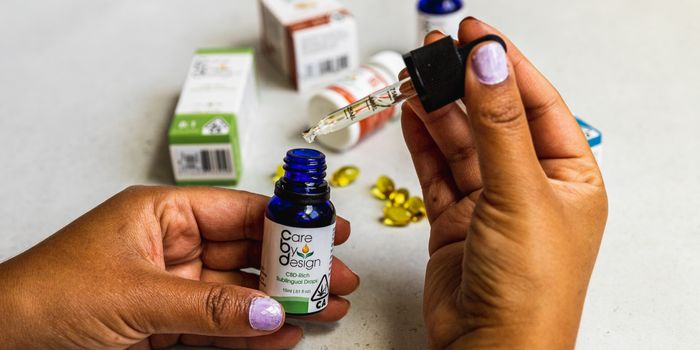 Photo: Elsa Olofsson / Pexels
With the abundance of CBD oil products available in California, discerning quality from subpar offerings is paramount for both safety and efficacy. The market can be overwhelming, but by focusing on a few key factors, you can confidently select high-quality CBD oil that meets your needs. Here are essential tips for buying CBD oil in California:
1. **Always Check for Third-Party Lab Testing (COA):** This is arguably the most crucial factor. A reputable CBD brand will always provide a Certificate of Analysis (COA) from an independent, third-party laboratory. This document verifies the cannabinoid profile (confirming CBD and THC levels), and crucially, checks for contaminants like heavy metals, pesticides, and mold. If a company doesn't readily provide a COA, or if the COA is outdated or from an in-house lab, it's a red flag. Look for a QR code on the product packaging that links directly to the COA.
2. **Understand the Type of CBD:**
* **Full-Spectrum:** Contains all cannabinoids, terpenes, and flavonoids found in the hemp plant, including trace amounts of THC (under 0.3%). This offers the 'entourage effect,' where compounds work synergistically.
* **Broad-Spectrum:** Contains a range of cannabinoids, terpenes, and flavonoids, but with THC completely removed. It offers some entourage effect without any THC.
* **CBD Isolate:** Pure CBD, with all other plant compounds removed. It contains no THC. This is suitable for those who want to avoid THC entirely.
Your choice depends on your preferences and whether you want to avoid THC altogether.
3. **Source of Hemp:** The quality of the CBD oil begins with the quality of the hemp plant. Look for products made from organically grown hemp, ideally sourced within the USA, especially from states with strict agricultural regulations like California, Colorado, or Kentucky. Organic farming practices ensure the hemp is free from harmful pesticides and herbicides that can be absorbed by the plant.
4. **Extraction Method:** CO2 extraction is generally considered the 'gold standard' for CBD extraction. It uses pressurized carbon dioxide to pull CBD and other cannabinoids from the plant, resulting in a clean and pure extract free of chemical solvents. Avoid products that use cheap, harsh chemical solvents like butane or propane, as these can leave behind harmful residues.
5. **Potency and Dosage:** CBD products come in various potencies (mg of CBD per serving). Start with a lower potency and gradually increase until you find the dose that works best for you. Don't just look at the total CBD content in a bottle; calculate the CBD per serving to understand the true potency.
6. **Brand Reputation and Transparency:** Research the brand. Look for customer reviews, read their 'About Us' page, and check their online presence. A transparent company will openly share information about their sourcing, manufacturing processes, and testing. Avoid brands that make outlandish health claims, as CBD cannot legally be marketed as a cure for diseases.
By following these guidelines, Californians can confidently navigate the diverse CBD market and select products that are safe, effective, and align with their wellness goals.