✓ THC is primarily responsible for the 'high' sensation associated with cannabis.
✓ CBD is non-psychoactive and is often sought for its therapeutic potential without intoxication.
✓ Both THC and CBD interact with the body's endocannabinoid system (ECS).
✓ The 'entourage effect' suggests that THC and CBD work better together than in isolation.
✓ Legal status of THC and CBD varies significantly by region and product type.
How It Works
1
Understand Cannabinoids
Learn about the primary active compounds in cannabis, Tetrahydrocannabinol (THC) and Cannabidiol (CBD). These are just two of over a hundred identified cannabinoids.
2
Explore the Endocannabinoid System
Discover how THC and CBD interact with your body's natural regulatory system, the ECS. This system plays a crucial role in maintaining balance in various bodily functions.
3
Differentiate Effects & Benefits
Identify the distinct effects each compound has on your mental and physical state. THC is known for its psychoactive properties, while CBD is praised for its non-intoxicating therapeutic potential.
4
Consider the 'Entourage Effect'
Grasp the concept that other cannabis compounds, like terpenes and minor cannabinoids, can modify the effects of THC and CBD. This synergy can enhance therapeutic outcomes.
Unpacking THC: The Psychoactive Powerhouse
Photo: Diego Barros / Pexels
Tetrahydrocannabinol, or THC, is perhaps the most famous cannabinoid due to its psychoactive properties, meaning it's the compound primarily responsible for the 'high' associated with cannabis use. When you consume cannabis containing THC, it interacts predominantly with the CB1 receptors in your brain and central nervous system. These receptors are part of your body's intricate endocannabinoid system (ECS), a complex cell-signaling system that plays a crucial role in regulating a wide range of functions and processes, including sleep, mood, appetite, memory, and reproduction and fertility. THC's affinity for CB1 receptors mimics the action of anandamide, a naturally occurring endocannabinoid, leading to altered perception, euphoria, relaxation, and sometimes increased appetite. However, the effects of THC are not always universally pleasant. For some individuals, particularly those sensitive to its effects or consuming high doses, THC can induce anxiety, paranoia, increased heart rate, and impaired memory or coordination. The intensity and nature of these effects are highly dependent on several factors, including the individual's tolerance, the dose consumed, the method of consumption (e.g., smoking, edibles, tinctures), and the presence of other compounds in the cannabis plant, such as CBD and terpenes. Understanding these variables is key to predicting and managing your experience with THC. For example, edibles typically have a delayed onset but more prolonged and intense effects compared to inhaled cannabis. The legal landscape around THC in Canada has evolved significantly, allowing adults to purchase and consume various THC-containing products from licensed retailers. This regulated market ensures product quality and provides consumers with detailed information about potency, allowing for more informed choices. However, responsible consumption remains paramount, emphasizing starting with low doses and understanding your personal limits. The therapeutic potential of THC is also a significant area of research. It has been studied for its ability to help manage chronic pain, nausea (especially in chemotherapy patients), appetite stimulation for those with wasting syndromes, and muscle spasticity associated with conditions like multiple sclerosis. While these applications are promising, they often require careful medical supervision to balance benefits with potential side effects. The interaction of THC with the ECS is a complex dance, influencing neurotransmitter release and neuronal activity, leading to its diverse range of effects. As research continues, our understanding of this fascinating compound deepens, paving the way for more targeted and personalized cannabis therapies. Exploring the nuances of how different cannabis strains can influence THC's effects is also crucial for users seeking specific outcomes.
Delving into CBD: The Non-Psychoactive Healer
Photo: Diego Barros / Pexels
Cannabidiol, or CBD, stands in stark contrast to THC regarding its psychoactive properties. Unlike THC, CBD is non-intoxicating, meaning it does not produce the 'high' commonly associated with cannabis. This fundamental difference has fueled its widespread popularity and acceptance, particularly among those seeking the therapeutic benefits of cannabis without the altered mental state. CBD's interaction with the body's endocannabinoid system (ECS) is more indirect and complex than THC's. Instead of binding directly to CB1 or CB2 receptors with high affinity, CBD is thought to work by influencing other receptors and enzyme pathways, enhancing the body's natural endocannabinoids, and modulating the activity of various non-cannabinoid receptors. This broad spectrum of action contributes to its diverse range of potential therapeutic effects. For instance, CBD has been widely studied for its anxiolytic (anxiety-reducing) properties. Many users report feeling a sense of calm and relaxation without sedation, making it a popular choice for managing everyday stress and anxiety disorders. Its anti-inflammatory capabilities are another significant area of interest, with research suggesting it may help alleviate pain and swelling associated with conditions like arthritis, muscle soreness, and inflammatory skin conditions. Furthermore, CBD has demonstrated anticonvulsant properties, leading to the development of FDA-approved CBD-based medications for certain severe forms of epilepsy. Beyond these, preliminary research explores CBD's potential in areas such as neuroprotection, addiction recovery, and even its role in improving sleep quality. The versatility of CBD means it's available in numerous forms, including oils, tinctures, capsules, edibles, topicals, and even specialized vapes. This variety allows users to choose a consumption method that best suits their needs and preferences, offering different onset times and durations of effect. For example, topical CBD products can provide localized relief for muscle aches or skin conditions, while ingested forms offer systemic effects. The legal status of CBD in Canada is also well-established, provided it is derived from industrial hemp and contains no more than 0.3% THC, or is sold through licensed cannabis retailers. This regulation ensures consumers have access to safe and quality-controlled products. However, it's crucial for consumers to be diligent in checking third-party lab reports to verify the purity and potency of CBD products, as product quality can vary. The absence of a 'high' makes CBD appealing to a broad demographic, from athletes recovering from intense workouts to individuals seeking natural alternatives for chronic conditions. Its ability to potentially mitigate some of the less desirable effects of THC, such as anxiety, also makes it a valuable component in full-spectrum cannabis products, where it can contribute to the 'entourage effect.' This synergy between cannabinoids and other plant compounds is a fascinating aspect of cannabis science, suggesting that the sum is greater than its individual parts when it comes to therapeutic outcomes. As research continues to unfold, CBD's role as a therapeutic agent is only expected to grow, offering more precise applications and a deeper understanding of its mechanisms. The non-intoxicating nature of CBD positions it as a promising option for those seeking wellness benefits without altered cognition.
The Entourage Effect: Synergy of Cannabis Compounds
Photo: Terrance Barksdale / Pexels
The concept of the 'entourage effect' is a cornerstone in understanding what is THC vs CBD effects, and how they operate within the broader context of the cannabis plant. This theory, first proposed by Dr. Raphael Mechoulam, suggests that cannabinoids like THC and CBD, along with other compounds found in cannabis such as terpenes, flavonoids, and other minor cannabinoids, work synergistically to produce a more potent and balanced therapeutic effect than any single compound could achieve on its own. Imagine an orchestra where each instrument plays its part; while an individual instrument can sound beautiful, the full symphony creates a richer, more profound experience. Similarly, in cannabis, the hundreds of compounds interact in complex ways, enhancing beneficial properties and potentially mitigating undesirable ones. For instance, some terpenes, which are aromatic compounds responsible for the distinct scents of various cannabis strains (e.g., limonene for citrus, myrcene for earthy notes), have been shown to have their own therapeutic effects, such as anti-inflammatory or anxiolytic properties. When these terpenes are present alongside THC and CBD, they can influence how these major cannabinoids interact with the body's endocannabinoid system (ECS). For example, myrcene is believed to enhance the permeability of cell membranes, potentially allowing THC to enter brain cells more easily and quickly, thus intensifying its effects. On the other hand, terpenes like limonene or pinene might offer a more uplifting or focusing effect, respectively, which could modulate the overall experience of a THC-rich strain. CBD itself is a prime example of the entourage effect in action. While it has its own distinct therapeutic properties, it is also known to modulate the effects of THC. CBD can help to mitigate some of the potential side effects of THC, such as anxiety, paranoia, or sedation. It does this by indirectly influencing CB1 receptors, potentially reducing THC's binding affinity or altering its signaling pathways. This interaction is why cannabis strains with a balanced THC:CBD ratio are often favored by users seeking therapeutic benefits with a less intense psychoactive experience. Full-spectrum cannabis products, which contain a wide array of cannabinoids, terpenes, and other plant compounds, are designed to leverage the entourage effect. In contrast, isolates, which contain only one cannabinoid (e.g., pure CBD isolate), lack this synergistic potential. While isolates have their place, particularly for those who need to avoid THC entirely, many consumers and researchers believe that the holistic approach offered by full-spectrum products provides a more comprehensive therapeutic profile. The ongoing research into the entourage effect is continuously revealing new insights into how these complex interactions occur at a molecular level. Scientists are exploring how specific combinations of cannabinoids and terpenes can be tailored to target particular conditions, paving the way for more personalized cannabis medicine. This deeper understanding moves beyond simply asking what is THC vs CBD effects, and instead focuses on the intricate dance of all cannabis compounds working together. For consumers in Canada, this means looking beyond just THC and CBD percentages and considering the full cannabinoid and terpene profile of a product when making purchasing decisions, especially for therapeutic purposes. The availability of detailed lab reports and product information from licensed producers helps consumers make these informed choices, ensuring they can select products optimized for their desired outcomes. The future of cannabis science undoubtedly lies in unlocking the full potential of the entourage effect to maximize the plant's therapeutic benefits. This holistic view emphasizes that the plant's true power lies in its natural complexity, where each component plays a vital role in the overall symphony of effects. Ultimately, recognizing the entourage effect transforms our understanding of cannabis from a simple sum of its parts to a complex, interconnected system where every compound contributes to the plant's unique therapeutic signature. This intricate interplay is a fundamental aspect of how cannabis delivers its diverse range of benefits, and it underscores why considering the full plant profile is often more beneficial than focusing solely on individual cannabinoids. As consumers become more educated, the demand for full-spectrum products that harness this synergy is likely to grow, pushing the industry towards more sophisticated product development that fully embraces the plant's natural complexity. The rich diversity of cannabis products available today allows for extensive exploration of these combined effects.
Navigating Your Cannabis Choices: Tips for Safe and Effective Use
Photo: RDNE Stock project / Pexels
Understanding what is THC vs CBD effects is the first step, but navigating the myriad of cannabis products available in Canada requires a strategic approach to ensure a safe and effective experience. Here are crucial tips to guide your choices:
* **Start Low, Go Slow:** This golden rule applies universally to cannabis consumption, especially for new users or when trying a new product. Begin with the lowest possible dose of THC or CBD and wait to observe its effects before considering a higher dose. Edibles, in particular, have a delayed onset (30 minutes to 2 hours) and can last much longer, so patience is key. Overconsumption can lead to unpleasant experiences, which are largely avoidable with careful dosing.
* **Know Your Source:** Always purchase cannabis products from licensed and regulated dispensaries or online retailers in Canada. This ensures that products are laboratory-tested for potency, purity, and safety, free from harmful pesticides, heavy metals, or contaminants. Reputable sources provide detailed product information, including cannabinoid and terpene profiles, which are vital for informed decision-making.
* **Consider the Full Spectrum:** While THC and CBD isolates have their place, many users find greater therapeutic benefit from full-spectrum or broad-spectrum products. These products contain a wider range of cannabinoids, terpenes, and other beneficial plant compounds that contribute to the 'entourage effect.' If you're open to a small amount of THC (less than 0.3% in broad-spectrum, or higher in full-spectrum from licensed sources), these options might offer a more comprehensive experience.
* **Method of Consumption Matters:** The way you consume cannabis significantly impacts the onset, duration, and intensity of effects. Inhaled products (vaping, smoking) offer rapid onset (minutes) but shorter duration. Edibles and tinctures have a slower onset (30-120 minutes) but longer-lasting effects (4-8 hours or more). Topicals provide localized relief without systemic effects. Choose a method that aligns with your desired outcome and lifestyle.
* **Understand Legal Limits and Regulations:** In Canada, while cannabis is legal, there are strict regulations regarding possession limits, public consumption, and age restrictions. Be aware of provincial and municipal laws to ensure compliance. For instance, driving under the influence of cannabis is illegal and carries severe penalties.
* **Consult a Healthcare Professional:** If you're using cannabis for medicinal purposes, or if you have underlying health conditions or are taking other medications, consult with a doctor or a qualified healthcare practitioner. They can provide personalized advice, discuss potential drug interactions, and help you determine the most appropriate cannabinoid, dosage, and consumption method for your specific needs. They can also help you understand how cannabis might interact with your existing health regimen.
* **Listen to Your Body:** Everyone's endocannabinoid system is unique, meaning individual responses to cannabis can vary greatly. Pay close attention to how your body reacts to different products and dosages. Keep a journal to track effects, dosages, and product types to better understand what works best for you. Adjust as needed to optimize your experience.
* **Storage and Safety:** Store cannabis products in a cool, dark place, away from direct sunlight and out of reach of children and pets. Proper storage helps maintain product potency and prevents accidental ingestion. Child-resistant packaging is mandatory for licensed products, but extra precautions at home are always advisable.
By following these tips, you can approach cannabis use with confidence and make informed decisions that enhance your well-being while minimizing potential risks. Education and responsible consumption are paramount in harnessing the full potential of this complex plant.
"Understanding what is THC vs CBD effects truly transformed my cannabis experience. I used to get anxious with THC, but learning about CBD's ability to balance it out allowed me to find strains that offer relaxation without the jitters. It's a game-changer for my chronic pain."
Sarah J. · Vancouver, BC
★★★★★
"This article clearly explained the differences. I've been using CBD for my anxiety for months, but never fully grasped why it worked without getting me 'high.' Now I understand its interaction with the ECS and feel more informed about my choices."
Mark L. · Toronto, ON
★★★★★
"As someone new to cannabis, the distinction between THC and CBD was confusing. This guide broke it down perfectly. I tried a balanced THC:CBD oil for sleep, and the results were incredible – deep sleep without feeling groggy the next day."
Jessica R. · Calgary, AB
★★★★★
"While the article was very informative about what is THC vs CBD effects, I wish there was a bit more detail on specific terpene profiles and how they further influence the entourage effect. Still, a solid read for anyone trying to understand cannabis better."
David P. · Montreal, QC
★★★★★
"My doctor recommended CBD for inflammation, but I was hesitant about anything cannabis-related. This article's clear explanation of CBD's non-psychoactive nature put me at ease. I've started with a low-dose tincture and am already noticing reduced swelling in my joints."
Emily K. · Halifax, NS
Frequently Asked Questions
What is the main difference between THC and CBD effects?
The main difference is that THC is psychoactive, meaning it produces the 'high' associated with cannabis, while CBD is non-psychoactive and does not cause intoxication. THC primarily binds to CB1 receptors in the brain, altering perception, while CBD interacts more indirectly with the endocannabinoid system, influencing various pathways for therapeutic effects without the high.
Can CBD negate the effects of THC?
Yes, CBD can help to modulate and potentially mitigate some of the less desirable effects of THC, such as anxiety or paranoia. It's thought to do this by influencing how THC interacts with CB1 receptors, leading to a more balanced and often less intense psychoactive experience. This is a key aspect of the 'entourage effect'.
How do I choose between THC and CBD products?
Your choice depends on your desired outcome. If you seek intoxication, euphoria, or specific relief for conditions where THC has proven effective (like severe nausea or appetite stimulation), THC products might be suitable. If you want therapeutic benefits like anxiety reduction, pain relief, or improved sleep without the high, CBD is your choice. Many find a balanced THC:CBD product offers the best of both worlds.
Are THC and CBD legal in Canada?
Yes, both THC and CBD are legal in Canada for adults aged 18 or 19 (depending on the province) when purchased from licensed retailers. CBD products derived from industrial hemp with less than 0.3% THC are also widely available. Always ensure you are purchasing from a legal, regulated source to guarantee product quality and compliance.
Is one safer than the other?
Both THC and CBD are generally considered safe, but their side effect profiles differ. THC can cause temporary cognitive impairment, anxiety, and paranoia in some individuals, especially at high doses. CBD typically has milder side effects, such as drowsiness or digestive upset, which are rare. Always start with a low dose and consult a healthcare professional, especially if you have underlying conditions or take other medications.
Who should use what is THC vs CBD effects?
Anyone interested in cannabis for recreational enjoyment should consider THC, while those seeking therapeutic benefits without intoxication, such as for anxiety, chronic pain, or inflammation, would benefit from CBD. Individuals with specific medical conditions should consult a healthcare provider to determine the most appropriate cannabinoid and dosage.
What are the risks of mixing THC and CBD?
Mixing THC and CBD, particularly in balanced ratios, is often preferred as CBD can mitigate some of THC's unwanted side effects. However, individual responses vary. Risks primarily involve potential overconsumption of THC if not carefully dosed, or mild drowsiness from CBD. Always start low, go slow, and be aware of your personal tolerance.
What future trends are expected in THC vs CBD products?
Future trends point towards more personalized cannabis products, leveraging advanced research into the 'entourage effect' to create specific cannabinoid and terpene profiles for targeted therapeutic outcomes. Expect an increase in minor cannabinoid products (like CBG, CBN), innovative delivery methods, and continued refinement of dosage and formulation for precision medicine.
Armed with a deeper understanding of what is THC vs CBD effects, you are now empowered to make informed decisions about your cannabis journey. Explore the diverse world of cannabis products in Canada responsibly, always prioritizing your well-being and desired outcomes. Discover the perfect balance for your needs today.
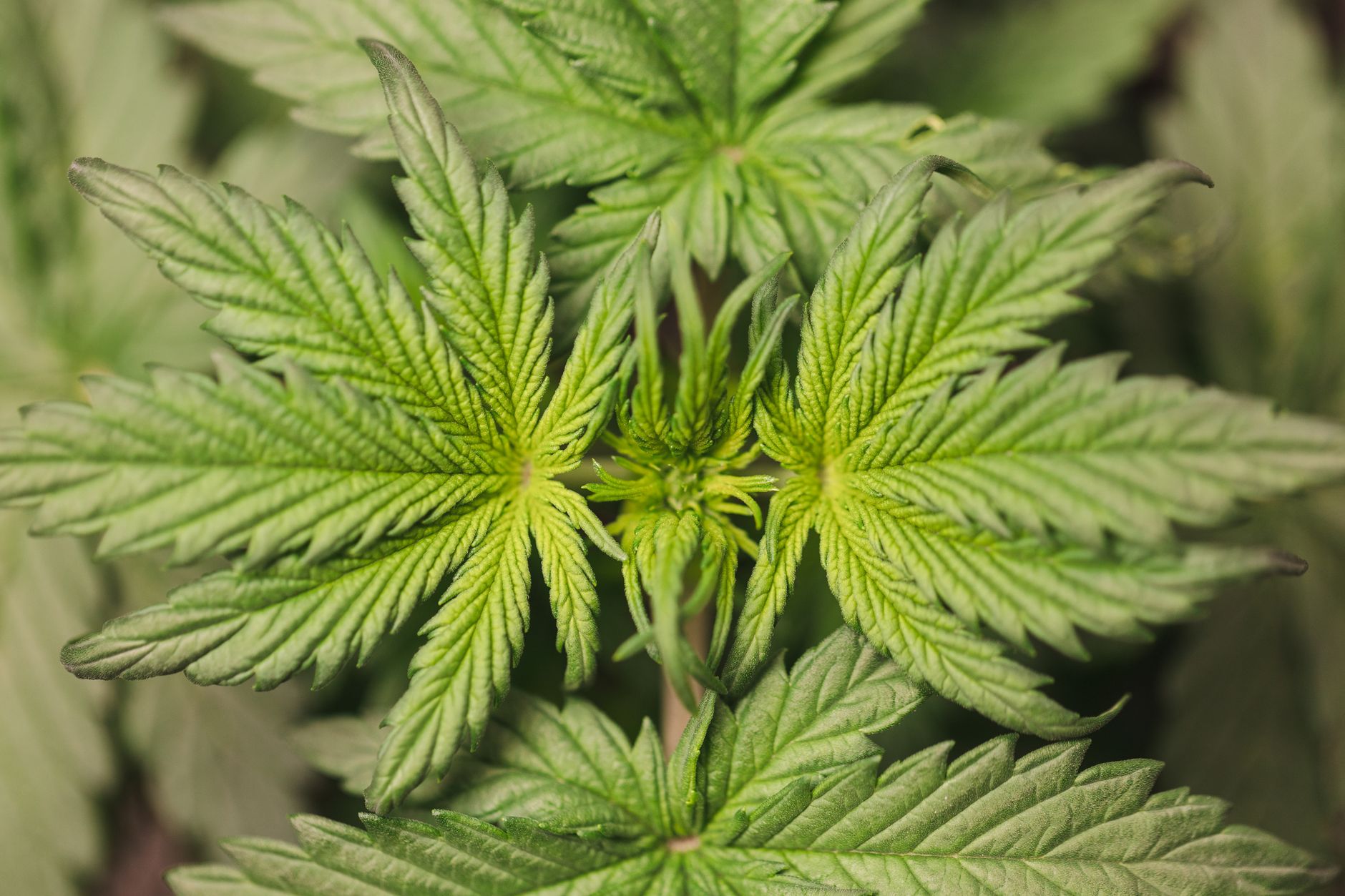
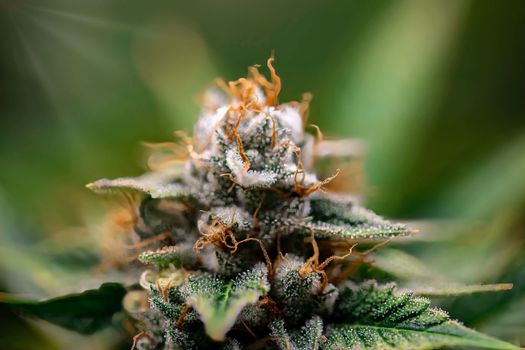 Photo: Diego Barros / Pexels
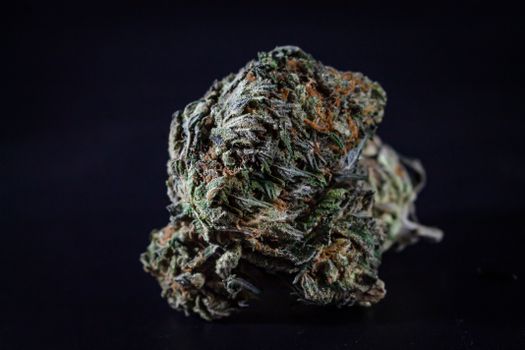 Photo: Terrance Barksdale / Pexels
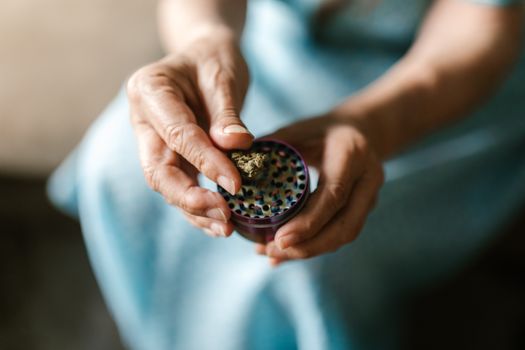 Photo: RDNE Stock project / Pexels