What is THCA Flower California: Your Complete Guide
what is THCA flower California

What is THCA Flower California: Your Complete Guide

Explore the rapidly growing world of THCA flower in California, understanding its unique properties and legal landscape.

Discover THCA Now

Key Takeaways

  • ✓ THCA is the non-psychoactive precursor to THC, found in raw cannabis.
  • ✓ Decarboxylation (heating) converts THCA into the psychoactive THC.
  • ✓ In California, THCA flower legality hinges on its total Delta-9 THC content.
  • ✓ Many consumers seek THCA for its potential therapeutic benefits without the 'high'.
  • ✓ Quality and lab testing are crucial when purchasing THCA flower in CA.

How It Works

1
Cultivation & Harvest

Cannabis plants naturally produce Tetrahydrocannabinolic Acid (THCA) in their trichomes as they grow. This acidic cannabinoid is abundant in fresh, uncured flower.

2
Drying & Curing

After harvest, the flower undergoes drying and curing, a process that preserves cannabinoids like THCA. Minimal heat is applied to prevent premature conversion to THC.

3
Lab Testing & Compliance

Before being sold, THCA flower in California must be rigorously lab tested. This ensures its total Delta-9 THC content remains below the legal threshold, often calculated after decarboxylation.

4
Consumer Use

Consumers can then use THCA flower in various ways, such as juicing raw flower for non-psychoactive benefits or heating it (e.g., smoking, vaping) to convert THCA into psychoactive THC.

Understanding THCA: The Precursor to THC in California
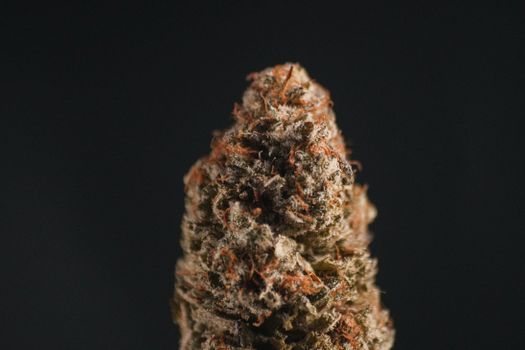
Detailed close-up image of a cannabis bud showcasing trichomes and texture. Photo: Diego Barros / Pexels
In the vibrant and ever-evolving landscape of California's cannabis market, a particular compound has been gaining significant attention: Tetrahydrocannabinolic Acid, or THCA. For many, the mention of cannabis immediately conjures images of THC, the primary psychoactive component responsible for the 'high.' However, THCA is a distinct, non-intoxicating cannabinoid found in the raw, live cannabis plant. It's the acidic precursor to Delta-9 THC, meaning that in its natural state, THCA does not produce the euphoric effects commonly associated with marijuana. This fundamental distinction is crucial for understanding its appeal and legal standing, particularly in a regulated market like California. When cannabis is harvested, the trichomes – those tiny, crystal-like structures on the flower – are rich in THCA. It's only when THCA is exposed to heat, a process known as decarboxylation, that it converts into Delta-9 THC. This conversion can happen through smoking, vaping, dabbing, or even baking cannabis at specific temperatures. Without this heat, THCA remains in its acidic form, offering a different set of potential therapeutic benefits without psychoactivity. For instance, someone might juice raw cannabis leaves and flowers to consume THCA for its anti-inflammatory properties, without experiencing any impairment. This aspect makes THCA flower particularly interesting for consumers seeking the plant's wellness potential without altering their state of mind. The scientific community has begun to explore the unique properties of THCA independently of THC. Early research suggests THCA may possess anti-inflammatory, neuroprotective, antiemetic, and antiproliferative effects. These potential benefits are attracting a growing number of individuals, from athletes managing recovery to those seeking natural alternatives for various ailments. The beauty of THCA flower lies in its versatility: it offers a choice. Consumers can opt to preserve its non-psychoactive state or convert it to THC for recreational or different medicinal purposes. This adaptability positions THCA flower as a valuable and nuanced product within California's sophisticated cannabis ecosystem, catering to a broader range of consumer needs and preferences. Understanding this basic chemistry is the first step in appreciating the nuances of cannabis and its various compounds.

Navigating the Legality of THCA Flower in California
A cannabis leaf with the word 'cannabis' spelled out in letter tiles on a beige background. Photo: Alesia Kozik / Pexels
The legal status of THCA flower in California is a topic that often leads to confusion, largely due to the complex interplay of state and federal cannabis laws. While California has legalized recreational and medicinal cannabis, the specific regulations around THCA require careful interpretation. At the federal level, the 2018 Farm Bill legalized hemp, defining it as cannabis with less than 0.3% Delta-9 THC on a dry weight basis. This federal definition is where much of the ambiguity surrounding THCA arises. THCA itself is not Delta-9 THC, but it has the potential to convert into it. Therefore, the legality of THCA flower often hinges on its *total* Delta-9 THC content, which includes the potential THC derived from THCA after decarboxylation. In California, licensed cannabis dispensaries operate under strict state regulations that govern cultivation, processing, testing, and sales. For THCA flower sold within the regulated market, products must undergo rigorous laboratory testing. These tests typically calculate the 'total THC' content, which factors in the potential conversion of THCA to Delta-9 THC. If a product's total THC exceeds the legal limits for hemp (0.3% total Delta-9 THC) or the specific limits set for adult-use cannabis products, it is classified and regulated as marijuana. This means it can only be sold through licensed dispensaries to individuals 21 and over. Conversely, some products marketed as 'THCA flower' might attempt to exist in a gray area by claiming to be 'hemp' because their *initial* Delta-9 THC content is below 0.3%. However, if the *potential* Delta-9 THC after decarboxylation exceeds this threshold, they are technically considered marijuana. California’s Bureau of Cannabis Control (now the Department of Cannabis Control) has been clear that products intended for human consumption that can yield intoxicating levels of THC, regardless of their initial THCA content, fall under cannabis regulations. Therefore, consumers in California should be extremely cautious when encountering THCA flower sold outside of licensed dispensaries, as its legality and safety cannot be guaranteed. Always verify that products come from a licensed source and have verifiable lab results indicating compliance with state regulations. This ensures both legal compliance and product safety, protecting consumers from unregulated or mislabeled items.

Benefits and Applications of THCA Flower for Californians
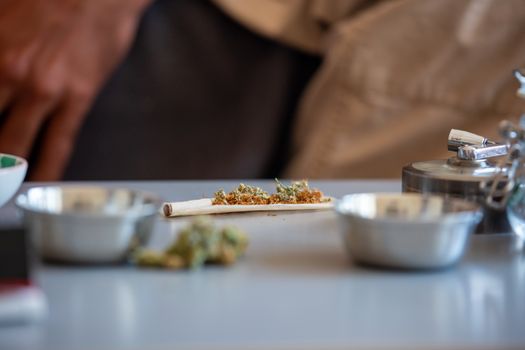
Detailed close-up of cannabis being rolled into a joint on a table with craft supplies. Photo: Kampus Production / Pexels
The burgeoning interest in THCA flower among Californians isn't solely driven by its unique legal positioning; it's also deeply rooted in its potential therapeutic benefits. Unlike its psychoactive counterpart, THC, THCA offers a pathway to harnessing the plant's medicinal properties without the intoxicating effects, making it an attractive option for a diverse group of consumers. One of the most widely discussed benefits of THCA is its potential as a powerful anti-inflammatory agent. For individuals dealing with chronic pain, arthritis, or inflammatory bowel conditions, THCA may offer relief without the cognitive impairment that THC can sometimes bring. This non-psychoactive aspect is a game-changer for those who need to maintain clearheadedness for work, daily responsibilities, or simply prefer not to experience a 'high.' Beyond inflammation, preliminary research and anecdotal evidence suggest THCA may have neuroprotective qualities. This makes it a compound of interest for researchers exploring treatments for neurodegenerative diseases. While more extensive human trials are needed, the early findings are promising. Furthermore, THCA has shown potential as an antiemetic, meaning it could help reduce nausea and vomiting, a benefit particularly relevant for patients undergoing chemotherapy or those with gastrointestinal issues. Its antiproliferative properties are also being investigated for their potential role in inhibiting the growth of certain cells, opening avenues for cancer research. For Californians, the applications of THCA flower are varied. Many consumers choose to consume raw THCA flower by juicing it, blending it into smoothies, or adding it to salads. This method preserves the THCA in its acidic form, allowing for the potential health benefits without decarboxylation. For those seeking psychoactive effects, the same THCA flower can be smoked, vaped, or dabbed, converting the THCA into THC. This versatility makes THCA flower a dynamic product, offering users the choice to tailor their experience based on their desired outcomes. Whether it's for daily wellness support, targeted relief, or the option to activate THC, THCA flower provides a customizable and potent option within the cannabis market. As research continues to unfold, the full spectrum of THCA's benefits is likely to become even clearer, solidifying its place as a cornerstone cannabinoid.

Tips for Sourcing and Consuming THCA Flower Safely in CA
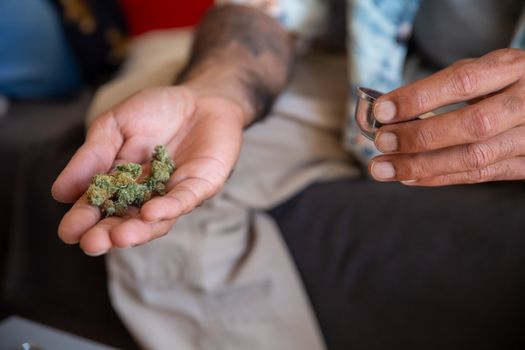
Close-up of an adult's hand holding cannabis buds with a canister, showcasing herbal marijuana use. Photo: Kampus Production / Pexels
Sourcing and consuming THCA flower safely in California requires diligence and an understanding of best practices. Given the nuances of cannabis regulation, especially regarding THCA, informed choices are paramount for both efficacy and safety. Here are essential tips for Californians: * **Prioritize Licensed Dispensaries:** Always purchase THCA flower from state-licensed cannabis dispensaries. These establishments are regulated by the Department of Cannabis Control (DCC) and are required to sell products that meet strict quality, testing, and labeling standards. This is the surest way to guarantee product safety and legality. * **Demand Lab Testing Results (Certificate of Analysis - COA):** A reputable dispensary will readily provide a Certificate of Analysis (COA) for their products. The COA should come from an accredited third-party lab and detail the cannabinoid profile (including THCA, Delta-9 THC, and total THC), terpene profile, and screening for contaminants like pesticides, heavy metals, and mold. Pay close attention to the 'total THC' value, which accounts for THCA's potential conversion. * **Understand 'Total THC' Calculation:** Be aware that the 'total THC' on a COA is often calculated using the formula: Total THC = Delta-9 THC + (0.877 * THCA). This provides a more accurate representation of the psychoactive potential after decarboxylation. Ensure this value is within legal limits for the product type you are purchasing. * **Examine the Flower:** High-quality THCA flower should look and smell fresh. Look for vibrant greens, visible trichomes, and a pungent aroma. Avoid flower that looks dull, has signs of mold, or smells musty or like chemicals. * **Start Low, Go Slow:** If you're new to THCA flower, especially if you plan to decarboxylate it (e.g., by smoking or vaping), start with a very small amount. Cannabis affects everyone differently, and understanding your tolerance is key to a positive experience. If consuming raw THCA, gradually increase your dosage as needed. * **Storage Matters:** Store your THCA flower in an airtight container, away from direct sunlight, heat, and excessive moisture. This helps preserve its cannabinoid and terpene profile, preventing premature decarboxylation and degradation. * **Educate Yourself on Consumption Methods:** Decide how you want to consume your THCA flower. If you want non-psychoactive benefits, consider juicing or consuming it raw. If you desire psychoactive effects, methods like smoking, vaping, or making edibles (which involves decarboxylation) are appropriate. * **Be Wary of Unregulated Online Sellers:** While some online retailers claim to sell 'hemp THCA flower,' their products may not be subject to California's strict testing and labeling requirements. Purchasing from these sources carries significant risks regarding product safety, potency, and legality.

Comparison

FeatureTHCA Flower (Raw)Delta-9 THC FlowerCBD Flower
Psychoactive EffectNone (unless heated)Strong 'high'None
Primary CannabinoidTHCADelta-9 THCCBD
Legal Status (CA)Regulated as cannabis (if total THC > 0.3%)Regulated cannabisLegal (if < 0.3% D9 THC)
Conversion to THCYes, with heat (decarboxylation)Already THCNo
Therapeutic FocusAnti-inflammatory, neuroprotectivePain relief, euphoria, appetite stimulationAnxiety, inflammation, sleep
Consumption MethodRaw (juicing), Heated (smoking, vaping)Smoking, vaping, ediblesSmoking, vaping, edibles, tinctures

What Readers Say

"I've been using THCA flower from a licensed dispensary in California for my chronic inflammation, and the results are amazing. I juice it raw, and I get all the benefits without any psychoactive effects, which is perfect for my busy schedule."

Sarah J. · Los Angeles, CA

"As an athlete, recovery is key. My THCA flower from a local CA shop helps significantly with post-workout soreness and keeps me clear-headed. It's a game-changer for my routine."

Michael D. · San Francisco, CA

"I was skeptical about THCA flower, but after purchasing from a reputable California dispensary, I'm a convert. I smoke it for evening relaxation, and the effects are potent and incredibly calming. The lab results gave me confidence."

Jessica L. · San Diego, CA

"The THCA flower I got in California was excellent quality, though the price point is a bit higher than some other options. However, the consistent effects and peace of mind from lab testing make it worth the investment for me."

David P. · Oakland, CA

"I use THCA flower to make my own edibles, converting it to THC. The versatility is fantastic; I can control the dosage and ensure I'm getting a clean product, thanks to California's strict testing requirements."

Emily R. · Sacramento, CA

Frequently Asked Questions

Is THCA flower legal to buy and use in California?

Yes, THCA flower is legal to buy and use in California, but it falls under the same regulations as other cannabis products. This means it must be purchased from a state-licensed dispensary, and its 'total THC' content (which accounts for THCA's potential conversion to Delta-9 THC) must meet the state's cannabis product standards.

Will THCA flower make me high?

No, THCA flower will not make you high if consumed in its raw, unheated form. THCA is non-psychoactive. However, if you heat THCA flower through smoking, vaping, or cooking, the THCA will convert into psychoactive Delta-9 THC, which will produce a 'high'.

How do I consume THCA flower for non-psychoactive benefits?

To consume THCA flower for non-psychoactive benefits, you should avoid heating it. Popular methods include juicing raw THCA flower, blending it into smoothies, or incorporating finely ground raw flower into cold foods like salads or dressings. This preserves the THCA in its acidic form.

Is THCA flower more expensive than regular THC flower in California?

The price of THCA flower in California can vary widely based on strain, quality, dispensary, and market demand. Generally, it may be priced similarly to high-quality THC flower, as it undergoes the same cultivation, testing, and regulatory processes. Always compare prices and quality at licensed dispensaries.

How does THCA flower compare to CBD flower?

THCA flower is distinct from CBD flower. While both are non-psychoactive in their raw form, THCA has the potential to convert into psychoactive THC when heated, whereas CBD does not. Both offer potential therapeutic benefits, but THCA's effects and applications are closer to those of THC, just in an acidic, unactivated state.

Who should consider using THCA flower in California?

THCA flower is ideal for individuals in California seeking the potential therapeutic benefits of cannabis, such as anti-inflammatory or neuroprotective effects, without the psychoactive 'high.' It's also suitable for those who want the option to convert it to THC for recreational or medicinal use by applying heat, offering versatile consumption.

Are there any risks associated with THCA flower?

When sourced from a licensed California dispensary and consumed responsibly, the risks associated with THCA flower are generally low. However, like all cannabis products, individual reactions can vary. The main risk comes from unregulated sources, where products may contain contaminants or be mislabeled regarding their actual cannabinoid content and total THC potential.

What's the future outlook for THCA flower in the California market?

The future outlook for THCA flower in California is promising. As research into its unique therapeutic properties expands, and as consumers seek more nuanced and customizable cannabis experiences, THCA is likely to gain further prominence. Expect more diverse THCA-specific products and continued refinement in regulatory clarity.

Embrace the potential of THCA flower in California by making informed choices. Explore licensed dispensaries, demand lab-tested products, and discover how this versatile cannabinoid can integrate into your wellness or recreational journey. Start your THCA exploration today.

Topics: what is THCA flower CaliforniaTHCA benefits CaliforniaTHCA legality CATHCA vs THC Californiabuying THCA flower CA
Leo List

DK Escorts LU Escorts AT Escorts SE Escorts FI Escorts CH Escorts DE Escorts HR Escorts IE Escorts GR Escorts CZ Escorts NO Escorts BE Escorts FR Escorts SI Escorts IL Escorts NL Escorts PL Escorts HU Escorts ES Escorts IT Escorts PT Escorts SK Escorts RO Escorts ZA Escorts UY Escorts US Escorts UK Escorts NZ Escorts AU Escorts
Brampton weed
Adultwork EstrelaBet Vai de Bet R7 Bet Betão Galera Bet Rainbet Bet9ja Shop SportyBet BetKing Sisal Loto Foot Hollywoodbets YesPlay Odibets RushBet Jugabet BetWarrior BetCity MSport betPawa Fortebet