Where to Buy CBD Oil California: Your Ultimate Guide
where to buy CBD oil California

Where to Buy CBD Oil California: Your Ultimate Guide

Navigate the vibrant California CBD market with confidence and find premium products that meet your needs.

Find Your CBD Now

Key Takeaways

  • ✓ California has a well-regulated CBD market, distinguishing between hemp-derived and cannabis-derived CBD.
  • ✓ Hemp-derived CBD with less than 0.3% THC is legal statewide and widely available.
  • ✓ Cannabis-derived CBD (often higher THC) requires purchase from licensed dispensaries.
  • ✓ Always check for third-party lab testing (Certificates of Analysis - COA) to verify product purity and potency.
  • ✓ Online retailers often offer broader selections and competitive pricing, while local stores provide immediate access and personalized advice.

How It Works

1
Understand California's CBD Landscape

Familiarize yourself with the distinction between hemp-derived and cannabis-derived CBD in California. This dictates where you can legally purchase your products and the THC content you can expect.

2
Identify Your Preferred Purchase Method

Decide whether you prefer the convenience and variety of online shopping, the immediate gratification and expert advice of local dispensaries or specialty shops, or the accessibility of mainstream retailers. Each option has unique benefits.

3
Prioritize Product Quality and Transparency

Always look for brands that provide comprehensive third-party lab testing (COAs) for their products. This ensures the CBD content is accurate, and the product is free from harmful contaminants like pesticides and heavy metals.

4
Evaluate Brands and Read Reviews

Before making a purchase, research reputable CBD brands known for their quality and customer service. Reading customer reviews can offer insights into product effectiveness and overall satisfaction.

Navigating the California CBD Landscape: Laws and Sourcing

California, a trailblazer in cannabis legislation, offers a robust yet complex market for CBD oil. Understanding the legal framework is your first and most crucial step when considering where to buy CBD oil California. Broadly, CBD products in California fall into two primary categories: hemp-derived and cannabis-derived. The distinction is critical because it dictates where you can purchase these products and the regulatory oversight involved. Hemp-derived CBD, by federal and state law, must contain less than 0.3% delta-9 tetrahydrocannabinol (THC), the psychoactive compound in cannabis. This type of CBD is considered a dietary supplement and is widely available across the state, from online retailers to health food stores and even some supermarkets. Its accessibility stems from the 2018 Farm Bill, which legalized industrial hemp cultivation and its derivatives. California has embraced this, allowing hemp-derived CBD to be infused into various products, including edibles, beverages, and topicals, provided it meets specific labeling and testing requirements. However, the regulatory landscape for hemp-derived CBD products, especially regarding their use in food and beverages, has seen some evolution. While initially facing some ambiguity, California's Department of Public Health (CDPH) has clarified that hemp-derived CBD can be used in these products if they meet certain manufacturing and testing standards, including stringent THC limits and comprehensive lab testing for contaminants. This means consumers can generally find a wide array of hemp-derived CBD products without needing a medical cannabis recommendation. Learn more about the history of cannabis regulation in California. Cannabis-derived CBD, on the other hand, comes from cannabis plants that typically have higher THC levels. While these products might also be CBD-dominant, their origin from high-THC cannabis means they are regulated under California's Medicinal and Adult-Use Cannabis Regulation and Safety Act (MAUCRSA). This implies that cannabis-derived CBD products, regardless of their CBD:THC ratio, can only be purchased from state-licensed cannabis dispensaries. These dispensaries are subject to strict seed-to-sale tracking, rigorous testing for potency and contaminants, and specific packaging and labeling requirements. This ensures a high degree of product safety and transparency, albeit with the added requirement of purchasing from a specialized facility. For consumers, this means if you're seeking CBD products that might contain more than 0.3% THC or are derived from a cannabis plant (even if the CBD content is high), a licensed dispensary is your only legal avenue. This dual system offers consumers a spectrum of choices, from low-THC, widely available hemp-derived options to higher-THC, dispensary-exclusive cannabis-derived products. Understanding this fundamental difference is paramount to making informed and legal purchasing decisions in California's dynamic CBD market. Always verify the source and THC content of any CBD product you consider buying.

Where to Shop: Online Retailers vs. Brick-and-Mortar Stores

When deciding where to buy CBD oil California, you essentially have two main avenues: online retailers and brick-and-mortar stores. Each offers distinct advantages and disadvantages, catering to different consumer preferences and needs. Online retailers have become an incredibly popular choice for CBD purchases, and for good reason. The sheer variety available online is often unparalleled by physical stores. You can browse hundreds of brands, compare different product types (tinctures, capsules, edibles, topicals, vapes), and easily access detailed product information, including third-party lab results (Certificates of Analysis, or COAs). Reputable online stores make these COAs readily available, allowing you to verify the CBD and THC content, as well as ensure the absence of pesticides, heavy metals, and other contaminants. Furthermore, online shopping often comes with competitive pricing due to lower overhead costs for retailers and the ability to find discounts and subscription services. The convenience of having products delivered directly to your door, often with discreet packaging, is another significant draw. However, the downside is the inability to physically inspect products or receive immediate, in-person advice. You also need to be vigilant about identifying legitimate and trustworthy online vendors, as the internet can host less reputable sellers. Brick-and-mortar stores, which include licensed cannabis dispensaries, dedicated CBD shops, health food stores, and even some pharmacies, offer a different kind of shopping experience. Licensed cannabis dispensaries, as mentioned, are the only legal place to purchase cannabis-derived CBD products with higher THC levels. These establishments are staffed by knowledgeable budtenders who can provide personalized recommendations based on your specific needs and preferences. They often have a curated selection of high-quality, lab-tested products. For hemp-derived CBD, specialty CBD stores and health food shops provide a similar level of expert guidance and allow you to see and feel the products before buying. The immediate gratification of walking out with your purchase is a clear advantage. However, physical stores typically have a more limited selection compared to online giants, and prices can sometimes be higher due to operational costs. The quality of advice can also vary, so it's essential to visit reputable stores with well-trained staff. For consumers who value face-to-face interaction, immediate access, and personalized recommendations, local stores are an excellent choice. For those who prioritize variety, competitive pricing, and convenience, online shopping often takes the lead. Many consumers find a hybrid approach works best, perhaps starting with local advice and then exploring online for specific products or better deals. Regardless of your choice, the key is to prioritize retailers that emphasize transparency and product quality through readily available third-party lab testing.

Ensuring Quality and Safety: What to Look For

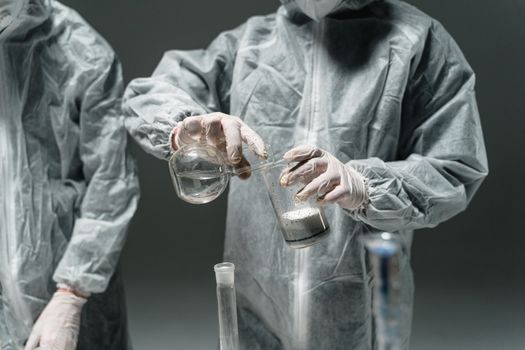
In a market as vast and varied as California's CBD industry, ensuring the quality and safety of the products you purchase is paramount. Not all CBD oils are created equal, and discerning consumers must know what indicators signal a reputable product. The most critical factor is the availability of third-party lab testing, often presented as a Certificate of Analysis (COA). A COA is an official document from an independent laboratory that details the cannabinoid profile (including CBD, THC, and other minor cannabinoids), potency, and confirms the absence of harmful contaminants. Reputable brands will always make their COAs easily accessible, usually via a QR code on the product packaging or directly on their website. If a brand cannot provide a COA for their products, it’s a significant red flag and a strong indicator to look elsewhere. The COA should verify that the product contains the advertised amount of CBD and, crucially, that its THC content falls within legal limits (under 0.3% for hemp-derived products). Beyond lab results, consider the source of the hemp. California, while a major agricultural state, often sees CBD products sourced from hemp grown in other states or even internationally. Look for products made from organically grown hemp, ideally from farms that follow sustainable practices. Organic farming minimizes exposure to pesticides, herbicides, and heavy metals, which can be absorbed by the hemp plant from the soil. The extraction method also plays a vital role in the final product's purity. CO2 extraction is widely regarded as the gold standard, as it uses carbon dioxide under high pressure and low temperatures to isolate CBD without leaving behind harmful solvents. Other methods, like ethanol extraction, can also be safe if performed correctly by experienced manufacturers. Avoid products extracted using harsh chemical solvents like butane or propane. Furthermore, pay attention to the type of CBD oil: full-spectrum, broad-spectrum, or isolate. Full-spectrum CBD contains all the naturally occurring compounds in the hemp plant, including trace amounts of THC, other cannabinoids, terpenes, and flavonoids, which are believed to work synergistically (the 'entourage effect'). Broad-spectrum CBD contains multiple cannabinoids and terpenes but no THC, while CBD isolate is pure CBD with all other plant compounds removed. Your choice depends on your personal preferences and whether you want to avoid THC entirely. Lastly, examine the ingredient list. High-quality CBD oils often have minimal ingredients, typically just CBD extract and a carrier oil like MCT (medium-chain triglyceride) or hemp seed oil. Avoid products with artificial flavors, colors, or unnecessary additives. Understanding different cannabis compounds can further inform your choices. By being diligent in checking these quality indicators, you can confidently navigate the market and find safe, effective CBD oil in California.

Tips for First-Time Buyers and Common Mistakes to Avoid

For those new to the world of CBD, the abundance of choices in California can be overwhelming. To ensure a positive first experience, here are some essential tips and common mistakes to avoid. First, start low and go slow with your dosage. CBD affects everyone differently, and what works for one person might be too much or too little for another. Begin with a small dose (e.g., 5-10mg) and gradually increase it over several days until you find the desired effect. Keep a journal to track your dosage, time of day, and the effects you experience. This methodical approach will help you pinpoint your optimal dose without overconsuming. Secondly, consider your desired effects and lifestyle when choosing a product type. Tinctures offer fast absorption and precise dosing, while edibles provide longer-lasting effects. Topicals are great for localized relief, and capsules offer convenience and consistent dosing. Don't jump into buying the strongest or cheapest product without understanding its implications. A common mistake first-time buyers make is ignoring third-party lab results. As emphasized, COAs are non-negotiable. Without them, you have no guarantee of the product's purity, potency, or safety. Another error is purchasing from unregulated sources like gas stations or convenience stores. While convenient, these outlets often carry products from less reputable brands that may lack proper testing or contain mislabeled ingredients. Stick to licensed dispensaries, reputable online retailers, or dedicated CBD shops. Don't be swayed solely by price; extremely cheap CBD might indicate low quality or lack of testing. Conversely, expensive doesn't always mean better; research brand reputation. Another pitfall is having unrealistic expectations. CBD is not a miracle cure; its effects are often subtle and cumulative. Give it time to work, and understand that results can vary. Finally, consult with a healthcare professional, especially if you are taking other medications. CBD can interact with certain drugs, and a doctor can provide guidance tailored to your health situation. By following these tips and avoiding common missteps, you can confidently embark on your journey to find quality CBD oil in California that meets your needs. **Key Takeaways for New CBD Users:** * **Start with a low dose:** Gradually increase until desired effects are achieved. * **Choose the right product type:** Tinctures, edibles, topicals, or capsules based on your needs. * **Always check for third-party lab reports (COAs):** Verify potency and purity. * **Avoid unregulated sources:** Stick to licensed dispensaries and reputable retailers. * **Manage expectations:** CBD effects can be subtle and take time. * **Consult a doctor:** Especially if on other medications.

Comparison

FeatureOnline RetailersLicensed DispensariesHealth/Specialty Stores
Product VarietyExtensiveModerate to HighLimited to Moderate
Price CompetitivenessHigh (often discounts)ModerateModerate to Low
Access to COAsUsually ExcellentUsually ExcellentVaries (ask staff)
Expert AdviceVia chat/emailExcellent (budtenders)Good (knowledgeable staff)
Immediate Purchase
THC Content OptionsHemp-derived (<0.3%)Hemp & Cannabis-derivedHemp-derived (<0.3%)

What Readers Say

"Finding where to buy CBD oil in California was easy with this guide. I went to a licensed dispensary and the budtender was incredibly helpful, explaining all the different options and showing me the lab results for my chosen tincture. Highly recommend for anyone in LA."

Sarah J. · Los Angeles, CA

"I was skeptical about buying CBD online, but after reading about the importance of COAs, I found a fantastic online retailer. The product quality was excellent, and the shipping to San Francisco was fast and discreet."

Mark D. · San Francisco, CA

"This article clarified the difference between hemp and cannabis-derived CBD, which was confusing me. I ended up visiting a local health food store in San Diego for a hemp-derived topical, and it's been wonderful for my muscle soreness."

Emily R. · San Diego, CA

"The information on third-party testing was invaluable. I found a local CBD specialty shop in Sacramento that had all the COAs readily available, which gave me a lot of confidence. The staff were friendly, though the selection was a bit smaller than I expected."

David L. · Sacramento, CA

"As someone who prefers cannabis-derived products, knowing exactly where to buy CBD oil in California (licensed dispensaries only) was crucial. This guide helped me navigate the legalities and find a reputable dispensary in Oakland for my needs."

Jessica M. · Oakland, CA

Frequently Asked Questions

Is CBD oil legal to buy in California?

Yes, CBD oil is legal to buy in California. Hemp-derived CBD with less than 0.3% THC is widely available and regulated as a food ingredient or supplement. Cannabis-derived CBD (which may have higher THC) is legal but must be purchased from state-licensed cannabis dispensaries.

Can I buy CBD oil with THC in California?

Yes, you can buy CBD oil that contains THC in California. If it's hemp-derived, it will contain less than 0.3% THC. If you're looking for CBD products with higher THC content, these are considered cannabis-derived and must be purchased from a licensed cannabis dispensary, typically requiring you to be 21+.

What is a Certificate of Analysis (COA) and why is it important?

A Certificate of Analysis (COA) is a document from an independent, third-party laboratory that verifies the cannabinoid content (CBD, THC, etc.), potency, and purity of a CBD product. It's crucial because it confirms the product contains what it claims and is free from harmful contaminants like pesticides, heavy metals, and residual solvents. Always look for a COA before purchasing.

Is online CBD cheaper than buying from a local store in California?

Generally, online CBD retailers often offer more competitive pricing due to lower overhead costs and the ability to run frequent promotions and discounts. Local brick-and-mortar stores, while offering immediate access and personalized advice, may have slightly higher prices. However, prices can vary significantly between brands and products.

What's the difference between full-spectrum, broad-spectrum, and CBD isolate?

Full-spectrum CBD contains all naturally occurring compounds of the hemp plant, including trace THC (under 0.3%). Broad-spectrum CBD contains multiple cannabinoids and terpenes but has had all THC removed. CBD isolate is pure CBD, with all other plant compounds removed. Your choice depends on whether you want to experience the 'entourage effect' or avoid THC entirely.

Who should consider buying CBD oil in California?

Individuals seeking natural support for various wellness needs, such as stress reduction, improved sleep, discomfort management, or general well-being, might consider buying CBD oil. It's also popular among those looking for alternatives to traditional remedies. Always consult a healthcare professional, especially if you have pre-existing conditions or are on other medications.

Are there any risks associated with buying CBD oil in California?

While generally considered safe, risks can include purchasing mislabeled or contaminated products from unregulated sources. Always prioritize products with third-party lab testing (COAs) to mitigate this. Potential side effects can include drowsiness, dry mouth, and digestive upset. CBD can also interact with certain medications, so consulting a doctor is advisable.

What are the future trends for CBD oil availability in California?

The future of CBD in California is likely to see further regulatory clarity, particularly around edibles and beverages, leading to more standardized and trusted products. We can expect continued innovation in product types, increased consumer education, and potentially greater integration into mainstream wellness. The distinction between hemp-derived and cannabis-derived products will likely remain, but with refined guidelines for both.

Armed with this comprehensive guide, you are now well-equipped to confidently navigate the California CBD market. Whether you choose the convenience of online shopping or the personalized experience of a local dispensary, remember to prioritize quality, transparency, and product safety. Start your journey today to find the perfect CBD oil that meets your needs in the Golden State.

Topics: where to buy CBD oil CaliforniaCalifornia CBD lawsbest CBD oil CaliforniaCBD dispensaries Californiaonline CBD California
Leo List
Brampton weed
Adultwork